A delegation from the UN Commission on Human Rights in South Sudan has commenced a five-day visit to Kenya.
The purpose of the visit is to engage with a range of stakeholders, focusing on advancing human rights and ensuring accountability for the human rights violations in South Sudan.
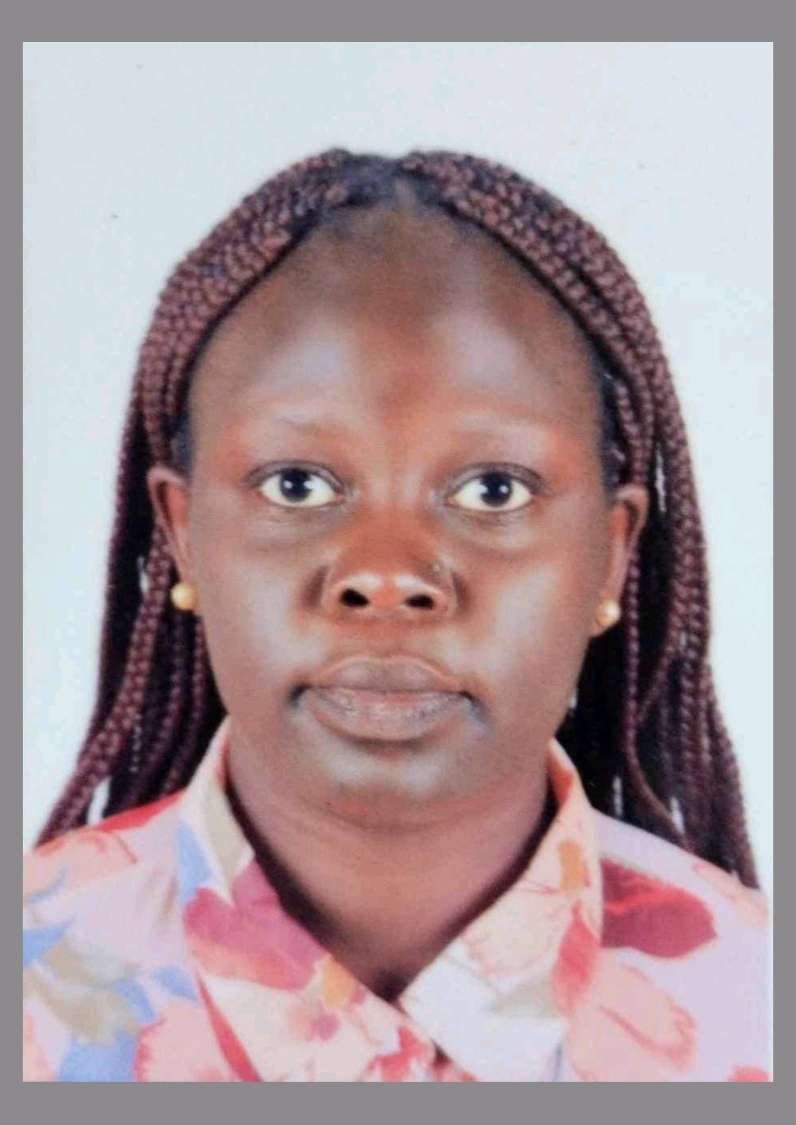
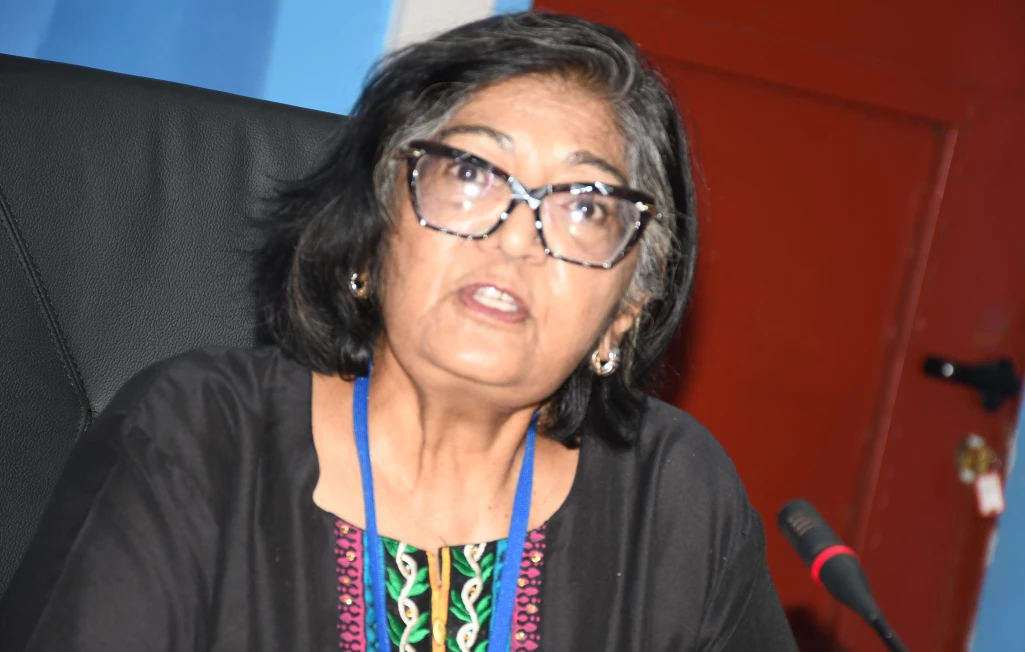
Led by Yasmin Sooka, the chair, and Barney Afako, a member of the commission, the delegation will meet with senior Kenyan government officials, representatives from international organizations, and civil society groups.
The discussions will focus on upholding human rights, preventing a deterioration in the situation in South Sudan, and consolidating the role of justice and accountability in the peace process, according to a press release seen by The Radio Community.
“The Commission will highlight the importance of regional support for South Sudan’s transition, particularly from Kenya, which plays a key role as a guarantor of the peace and transition process,” the press release reads.
Additionally, the Commission will advocate for strong support for South Sudan’s efforts to establish a reliable and independent judicial system in accordance with the recommendations of the Judicial Review Commission, including the establishment of effective and impartial institutions capable of upholding the rule of law and human rights across the country.
“The delegation intends to meet various stakeholders involved in the resumed mediation dialogue in Nairobi, known as the Tumaini Initiative, between the Government of South Sudan and hold-out groups to the Revitalized Agreement for Resolution of Conflict in South Sudan (R-ARCSS), 2018," it states.
The Commission will encourage all involved in the Tumaini Initiative to incorporate transitional justice measures as an integral element of the ongoing talks, ensuring accountability, truth-telling, and redress for victims, which are essential for lasting peace in South Sudan.
The United Nations Human Rights Council mandates the independent Commission on Human Rights in South Sudan.
Since its establishment in March 2016, it has undergone annual renewals. The three commissioners serve independently in their capacity as experts and are not part of the UN staff. A secretariat based in Juba, South Sudan, supports them.
The commission's mandate includes investigating South Sudan's human rights situation and making recommendations to prevent further deterioration and promote improvement.
The commission's mandate also includes determining and reporting the facts and circumstances of human rights violations and abuses, including establishing who is responsible for crimes under national and/or international law.
Independent interviews with victims and survivors of human rights violations, witnesses, service providers, and related experts and stakeholders inform the Commission's findings.