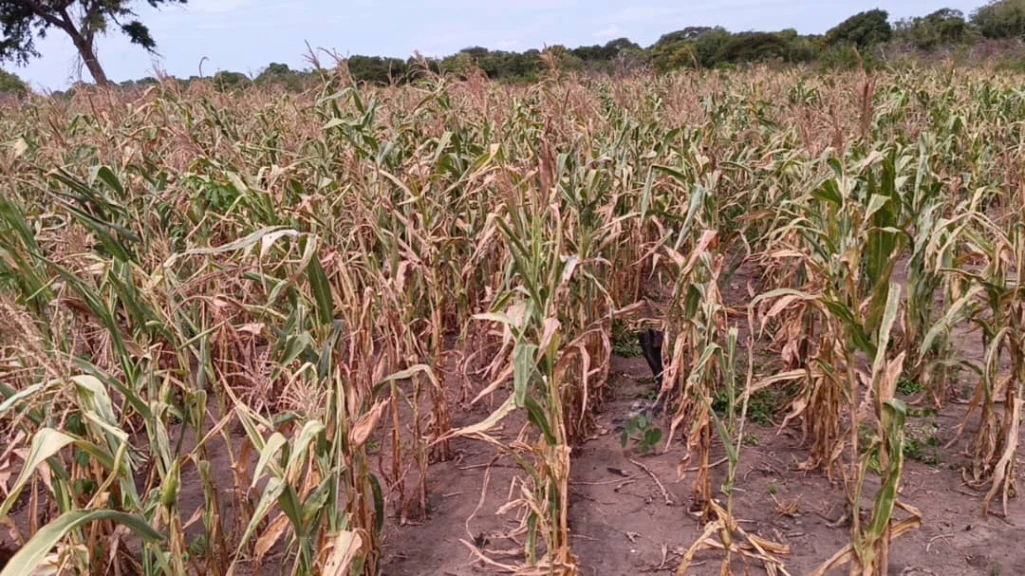
Lakes State has declared a state of disaster on humanitarian grounds after prolonged dry spells linked to El Niño damaged crops, with the government appealing for urgent international assistance to avert famine.
Governor Rin Tueny Mabor met humanitarian partners on Tuesday to discuss the worsening situation, including food security, health, gender-based violence and livelihoods, according to a statement from his office.
“The extended dry periods witnessed during the peak farming season due to extreme El Niño weather patterns have negatively affected crop production within the state,” the governor’s office said.
Caretaker Information Minister William Koji announced the declaration on behalf of the state government and called for immediate life-saving assistance across the state’s counties.
The dry conditions have also reduced the availability of water and pasture, putting pressure on livestock keepers who depend on cattle for food, income and other household needs.
The state government is engaging authorities in neighbouring states to facilitate access to grazing land and water for pastoralists from Lakes State.
“To address the dried-up pastures, the state government is presently working with authorities from Central and Western Equatoria States in order to facilitate temporary entry of pastoralists into their areas in search of water and grazing grounds for their livestock,” the governor’s office said.
The planned movement of pastoralists and their livestock will require coordination with host communities, particularly in areas where water sources and grazing land are already under pressure.
The drought adds to South Sudan’s wider food insecurity, which is driven by several factors, including conflict, displacement, high food prices and economic hardship.
An estimated 7.8 million people in South Sudan faced crisis-level food insecurity or worse between April and July 2026, according to the latest Integrated Food Security Phase Classification analysis.
FEWS NET’s September outlook warned that below-average harvests, conflict and economic pressures would sustain severe food insecurity in parts of the country through January 2027. Its projections included Crisis-level conditions in 40 counties and Emergency-level conditions in 32 counties during the October-to-January period.
South Sudan’s meteorological service had also forecast a 40% to 80% likelihood of below-normal rainfall in Lakes State and several other parts of the country between August and October, alongside a high likelihood of above-normal temperatures nationwide.