Following
government orders to sell fish at reduced prices, the leaders of the fishing
community in Awerial County, Lakes State, have ceased their operations.
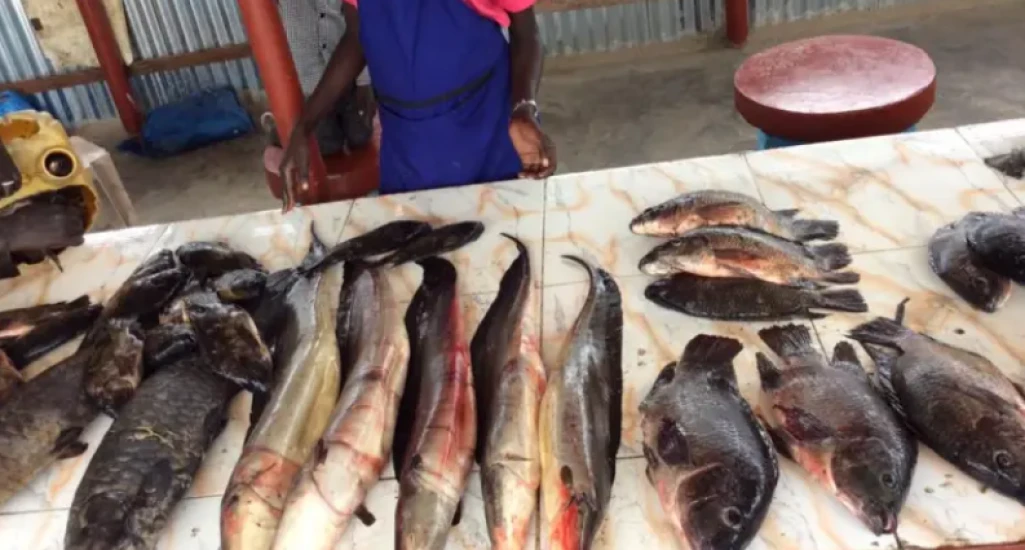
A big fish
that was selling for 13,000 pounds has now dropped to 7,000 pounds, according
to the document Mingkaman FM obtained from the authorities.
This upset
the fishermen, who opted to catch fish only for their home use and stopped
fishing for business.
Abiar Chuti, leader
of Ahou, says the order is unfair to them as they buy other foodstuffs at
higher prices in the market.
“As we talk
right about now, 10 kg of flour is still selling at 28,000 pounds and 20 kg at
60,000 pounds,” Abiar said.
“This has
become a burden on us, and that’s why we decided to suspend commercial fishing
until we are sure that the market is fairly set for all.”
Another
fishermen's leader, Alek Biar Angok, says the government needs to do
consultations on market prices and agree with the traders before coming up with
any order.
“This will
help the government to understand the market before coming up with the decision
to reduce the prices that will fairly favor everyone,” Alek argued.
This action
from the fishermen subsequently affects more than ten restaurants that have
been serving fresh fish dishes as the only food to their customers.
The
restaurant owners, speaking anonymously out of fear of retaliation, stated that
although the limited quantity of fish they import from remote areas such as
Mariik and Pane Bang is costly, they are unable to sell it at higher prices to
generate profits.
Travelers who
always stop by Mingkaman market to enjoy fish have been struggling to get fresh
fish in the last four days.
Currently,
traders sell commodities at higher prices due to the depreciation of South
Sudanese pounds against US dollars.
As of Friday,
the central bank is selling one dollar for 3,900 pounds, while the parallel
black market is selling it for 5,200 pounds.
The town
council did not explain the modality they used in reducing the local
commodities, and they could not respond immediately when contacted by this
publication.