In a joint statement released on February 28, 2025, these international actors urged South Sudan’s leaders to act quickly and responsibly to de-escalate the situation and prevent a further outbreak of violence.
“We are convinced that Juba-based leaders from all parties, including SPLM-IG and SPLM-I0, have the ability to de-escalate the situation in a responsible and peaceful manner," the statement emphasized.
"We urge them to do so and to resolve tensions through dialogue.”
The urgent call comes as clashes have intensified recently, exacerbating fears of a broader conflict.
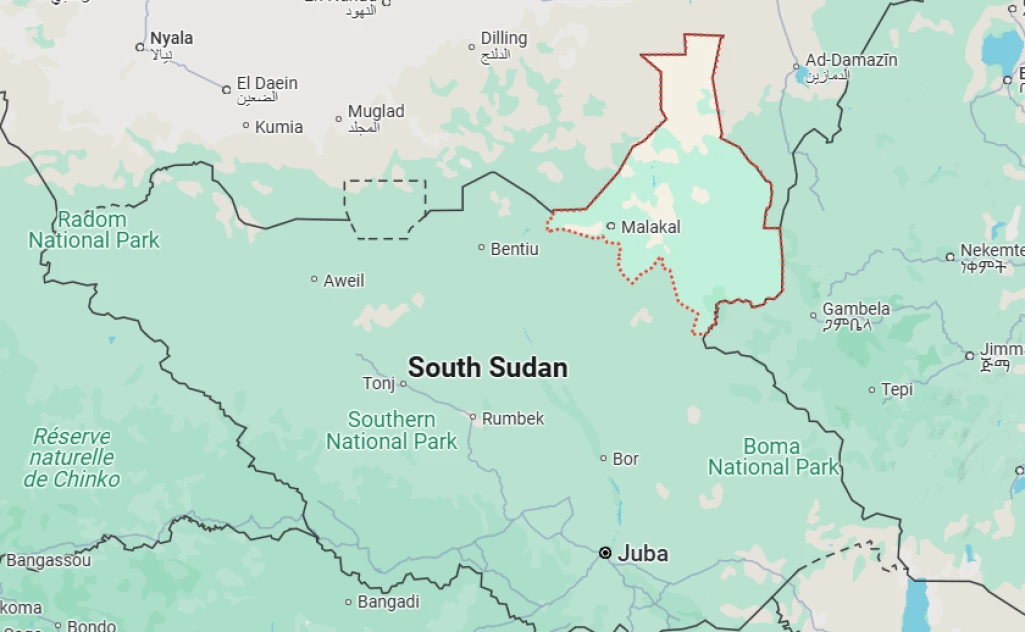
The situation in Upper Nile has raised alarm, particularly given the ongoing rotation of forces in Nasir, which has sparked concerns about the likelihood of widespread violence.
The international community is keenly aware that if the situation is not contained, it could significantly undermine the peace efforts that have been made recently.
The African Union Mission in South Sudan (AUMISS), the Intergovernmental Authority on Development (IGAD), the United Nations Mission in South Sudan (UNMISS), and the Reconstituted Joint Monitoring and Evaluation Commission (RJMEC) joined the call for action.
Concerns were raised on February 27, 2025, about both the tensions in Upper Nile and the fighting between forces from the parties that signed the Revitalized Agreement on the Resolution of the Conflict in the Republic of South Sudan (R-ARCSS) in Western Equatoria and Western Bahr el Ghazal States.
“AUMISS, IGAD, UNMISS, and RJMEC are gravely concerned about ongoing tensions in Upper Nile State, as well as clashes involving forces of the signatory parties to the R-ARCSS in Western Equatoria and Western Bahr el Ghazal States,” they warned.
The regional and international bodies are urging all parties involved to prioritize peace.
The Ceasefire and Transitional Security Arrangements Monitoring and Verification Mechanism (CTSAMVM) has reported a worsening security situation in Upper Nile, with concerns that tensions could escalate if not addressed.
“AUMISS, IGAD, UNMISS, and RJMEC call upon the parties to urgently work together through the established mechanisms of the R-ARCSS to de-escalate the situation to restore calm in Upper Nile State,” they urged.
The statement also noted that without immediate action, these tensions could undermine the Permanent Ceasefire agreement, which remains the foundation of South Sudan’s peace efforts.
The leadership of the Revitalized Transitional Government of National Unity (RTGoNU) and the Joint Defence Board (JDB) are being urged to work swiftly and collaboratively to address the security situation in all affected states.
"We once again underscore the need to progress the full and rapid unification and urgent deployment of the Necessary Unified Forces to boost public faith and trust in the RTGoNU commitment to lasting peace and stability in South Sudan,” the statement concluded.
Both international and regional organizations emphasize the need for urgent dialogue, stressing that only collective efforts can secure South Sudan's stability and future.
On Thursday, Dr. Riek Machar, the first vice president and SPLM-IO leader, requested an urgent meeting with President Salva Kiir Mayardit to address growing security concerns in Upper Nile, Western Equatoria, and Western Bahr el Ghazal States.
The president has yet to respond.